ProductsPilot Review 2026: Features, Pricing & Verdict
Creating a digital product is easy to talk about and much harder to do consistently.
You need an idea that people actually want. Then you have to create the product, make attractive previews, write the listing, choose a marketplace, and somehow get traffic to the finished product. For a beginner, that can quickly turn into a pile of different tools and a lot of manual work.
That is where ProductsPilot comes in.
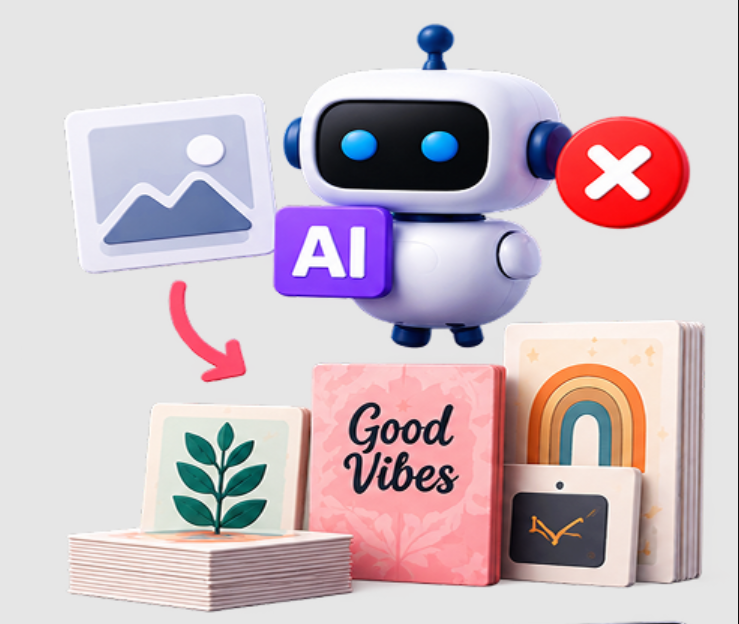
ProductsPilot is positioned as an AI-powered platform for researching niches, creating digital products, preparing marketplace listings, generating mockups, and helping with promotion. Depending on the plan, it also expands into areas such as Etsy, Shopify, Printify, Amazon KDP, Teachers Pay Teachers, and other marketplaces.
But there is an important question behind all of that:
Does ProductsPilot actually make the digital-product business easier, or is it simply another collection of AI tools bundled together?
I looked closely at its feature set, pricing structure, intended users, strengths, limitations, and the practical workflow it offers. This ProductsPilot review breaks everything down so you can decide whether it makes sense for your particular business.
ProductsPilot at a Glance
| Category | Details |
|---|---|
| Product Name | ProductsPilot |
| Best For | Digital product creators, Etsy sellers, printable sellers, online entrepreneurs |
| Main Features | AI niche research, product creation, mockups, listing content, traffic tools, marketplace features |
| Product Types | Printables, planners, templates, wall art, worksheets, invitations, coloring pages, digital downloads |
| Starting Price | About $37 for the core offer |
| Bundle Price | About $317/year at the currently advertised offer |
| Key Benefit | Brings several parts of the digital-product workflow into one platform |
| Best Suited To | Beginners and sellers who want to reduce manual work |
What Is ProductsPilot?
ProductsPilot is an AI-based digital-product creation and marketing platform.
The basic idea is straightforward.
Instead of finding one tool for market research, another for product creation, another for mockups, another for listing copy, and additional tools for promotion, ProductsPilot attempts to put several of these functions under one roof.
Its workflow is centered around five broad stages:
Research → Create → Package → List → Promote
That is important because creating the actual PDF or printable is only one part of selling digital products.
For example, imagine you want to sell a printable budget planner.
You still need to answer questions such as:
- Is there demand for this type of product?
- Which audience should you target?
- What style should you use?
- What pages should the planner contain?
- How should the product look in a marketplace listing?
- What should the title and description say?
- What price makes sense?
- How will potential buyers discover it?
ProductsPilot is designed to address several of those steps.
How Does ProductsPilot Work?
The platform’s overall approach is easier to understand when you think about it as a workflow rather than a single AI feature.
Step 1: Find a Product Opportunity
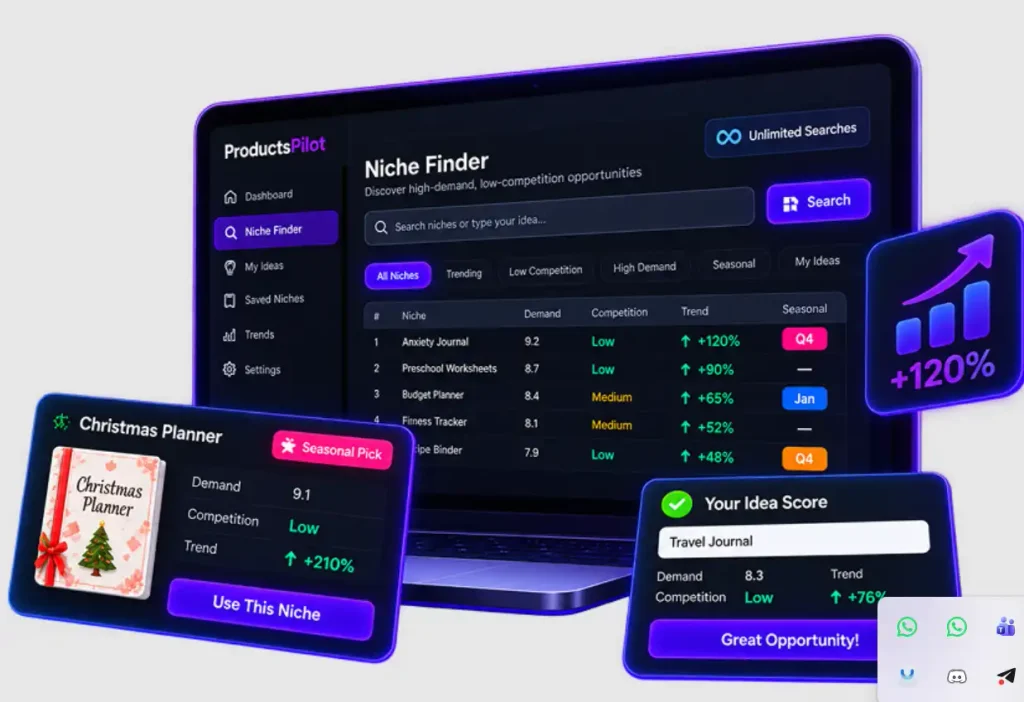
The AI Niche Finder is designed to help users discover niches and evaluate demand and competition.
This is potentially one of the most useful parts for beginners because choosing the wrong product idea can waste far more time than creating the product itself.
Step 2: Create the Product
ProductsPilot can help generate digital products in multiple categories.
Depending on the available plan, users can work with products such as:
- Planners
- Printables
- Templates
- Worksheets
- Wall art
- Invitations
- Coloring pages
- Digital downloads
- Low-content products
Step 3: Improve the Presentation
A good product can still struggle if its presentation looks poor.
ProductsPilot includes AI-generated mockups and listing-related content designed to help sellers present their products more professionally. https://techproductdeals50.com/ .
Step 4: Prepare Marketplace Listings
The platform can generate listing materials for different selling platforms.
That can save time when you are creating several products instead of just one.
Step 5: Promote the Product
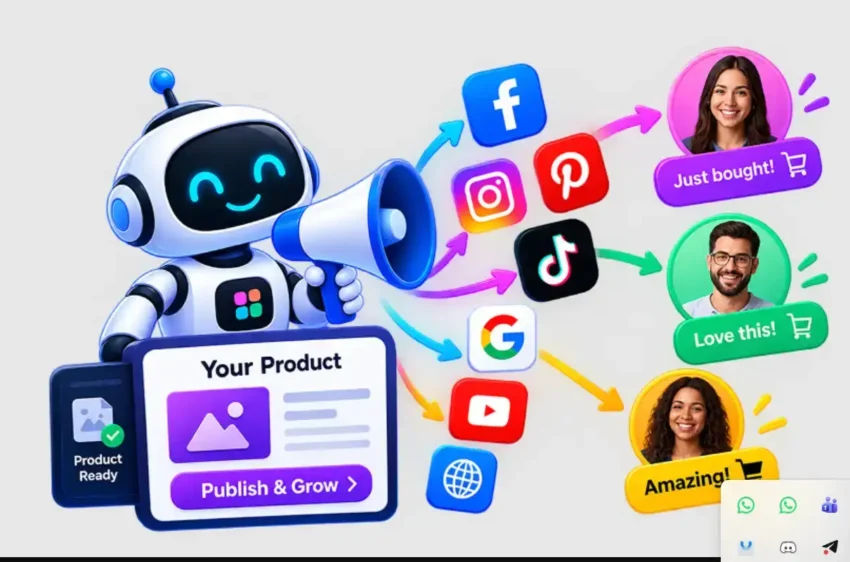
ProductsPilot also includes traffic and marketing-related features
The goal is to help users move beyond simply creating products and start thinking about how those products will actually reach potential customers.
ProductsPilot Design and Build Quality
ProductsPilot is software rather than a physical product, so traditional build quality is not really the right way to judge it.
A better question is:
How well is the workflow organized?
From a usability perspective, the biggest strength is the attempt to connect multiple tasks.
For a beginner, jumping between five or six different platforms can become frustrating. You may research an idea in one application, design it somewhere else, create mockups in another service, write your listing manually, and then use another platform for marketing.
ProductsPilot’s approach is more centralized.
That does not mean every feature will replace a specialized professional tool. It does mean the platform can potentially reduce the number of separate steps involved in launching a product.
The trade-off is that a platform with a large feature set can also feel overwhelming.
If you only want a simple design tool, ProductsPilot may offer far more than you need.
If you want an end-to-end digital-product workflow, however, the broader approach makes considerably more sense.
ProductsPilot Features and Performance
Now let’s look at the features that matter most.
1. AI Niche Finder
Finding a good niche is one of the hardest parts of digital-product selling.
ProductsPilot’s AI Niche Finder is designed to help users identify opportunities by looking at demand and competition.
It also includes seasonal intelligence, which can be useful for products related to events, holidays, or recurring buying periods.
For example, instead of randomly creating a planner, you could research a specific audience and look for a more focused product opportunity.
That’s a much better starting point than:
“I’ll make something and hope somebody buys it.”
However, no niche research tool can guarantee that a product will sell.
Market demand changes. Competition changes. Your product quality matters. Your listing matters. And your ability to attract the right audience matters.
So treat niche research as decision support, not a crystal ball.
2. AI Digital Product Creation
This is the feature that will probably attract most buyers.
ProductsPilot is designed to help create finished digital products rather than simply generating a few ideas.
The Premium level, for example, advertises a monthly product creation allowance and supports multiple product categories.
This can be useful if you want to build a larger catalog.
Imagine creating 30 different printable products manually.
You would need to research each idea, plan the product, create the files, prepare previews, write descriptions, and organize everything.
Automation can reduce some of that repetitive work.
The important word here is some.
You should still review the final product before selling it.
AI-generated content can contain errors, awkward layouts, inconsistent formatting, or information that needs editing. A product should never be uploaded blindly just because an AI tool created it.
3. AI Style Directions
Another interesting feature is the ability to provide style directions and generate different variations.
This matters because digital products are highly visual.
A minimalist planner and a colorful children’s worksheet may serve completely different audiences even though both are technically “printable products.”
Being able to experiment with styles can help you create products that better fit a particular niche.
The useful mindset is:
Use AI to accelerate creative work, not to eliminate human judgment.
4. Product Mockups
Mockups are often underestimated.
Suppose you have a beautiful printable PDF.
If your marketplace thumbnail simply shows a plain PDF page, the product may not look particularly exciting.
A lifestyle mockup can make it easier for a potential buyer to imagine the product in use.
ProductsPilot includes automated lifestyle mockup functionality designed around this problem.
For Etsy and similar marketplaces, that can be especially useful because visual presentation plays a major role in getting attention.
5. Listing Creation
Creating product files is only half the job.
You also need:
- Product titles
- Descriptions
- Marketplace-specific copy
- Pricing suggestions
- Product details
- Relevant presentation material
ProductsPilot includes listing-related functionality intended to speed up this process.
This can be valuable for anyone building a larger product catalog.
Instead of spending a large amount of time writing every listing from scratch, you can use AI-generated drafts and then edit them.
And I strongly recommend that last step.
Edit the AI output.
Your final listing should sound natural and accurately describe what the customer will receive.
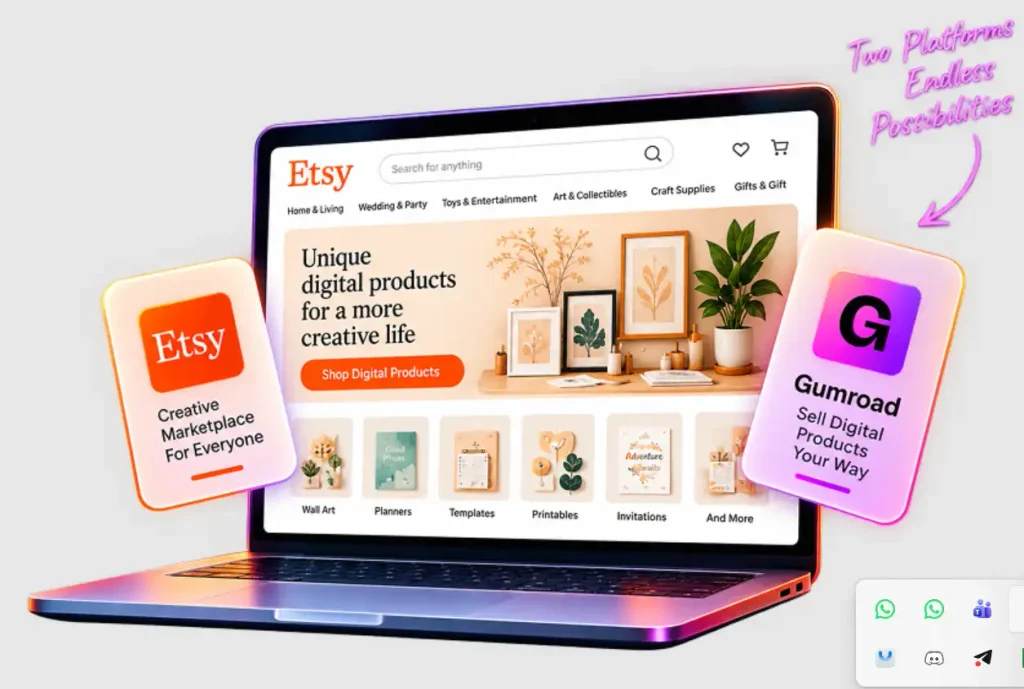
6. Etsy Features
Etsy sellers are one of the clearest audiences for ProductsPilot.
The platform is designed to support Etsy-related product creation and listing workflows, including mockups and listing materials.
It also addresses AI-related Etsy requirements within its advertised workflow.
This is useful because selling AI-assisted products is not simply a matter of generating an image and uploading it.
You still need to understand the marketplace’s rules, intellectual-property requirements, and disclosure expectations.
ProductsPilot can help with the workflow, but the seller remains responsible for checking current marketplace policies.
That distinction matters.
7. Traffic Builder
Creating a product doesn’t automatically bring customers.
This is where ProductsPilot’s Traffic Builder becomes interesting.
The platform promotes a multi-channel approach to traffic rather than relying entirely on one marketplace.
For an experienced marketer, this can be more attractive than a tool that only creates products.
For a beginner, though, traffic generation may still require learning.
There is no magic button that guarantees sales.
You still need a good offer, useful content, proper targeting, and a reason for people to click.
8. Unlimited Plan
ProductsPilot also offers an Unlimited option designed for users who want to create products at a larger scale.
The advertised features include:
- No monthly product cap
- Premium image generation
- Bulk creation
- Up to 20 products in a bulk workflow
- Priority processing
- Multiple concurrent jobs
- API access
This plan makes more sense for someone who has already validated their workflow.
If you’re creating your first digital product, unlimited production may not be your biggest problem.
But if you already know what you want to sell and need to increase production, the value proposition becomes more interesting.
9. Diamond Storefront
The Diamond Storefront option takes ProductsPilot beyond marketplace selling.
It is designed to give users a branded storefront with features such as:
- Custom branding
- Custom domain
- Buyer capture
- Follow-up sequences
- Bundle creation
- Direct checkout
- Traffic tools
This can be useful for sellers who eventually want to build an independent brand instead of relying entirely on Etsy or another marketplace.
The biggest advantage of owning your own storefront is control.
The biggest disadvantage is that you become responsible for generating the traffic.
That’s an important distinction for beginners.
10. Agency Features
ProductsPilot also has an Agency option aimed at people managing multiple client shops.
Advertised features include:
- Multiple client shops
- Shop switching
- White-label branding
- Custom domains
- Client records
- Team access
- Branded reports
This isn’t really necessary for a typical Etsy beginner.
But for freelancers and agencies managing digital-product businesses for clients, it can be a completely different proposition.
11. Marketplace Expansion
One of the more ambitious parts of the ProductsPilot ecosystem is marketplace expansion.
The advertised marketplace support includes platforms and channels such as:
- Shopify
- Printify
- Amazon KDP
- Teachers Pay Teachers
- Creative Market
- Design Bundles
- Payhip
- Notion
The idea is simple:
Create products once, then expand your distribution.
In theory, this can help reduce dependence on a single marketplace.
In practice, each platform has different rules, customers, listing requirements, and competitive conditions.
So don’t assume that a product that works on Etsy will automatically perform equally well everywhere else.
What Is It Like to Use ProductsPilot in Practice?
This is where I think it’s important to keep expectations realistic.
The most attractive part of ProductsPilot isn’t necessarily one individual feature.
It’s the combination.
Imagine you’re creating a printable meal planner.
Instead of doing everything manually, your workflow could look something like:
Research a niche → choose a product idea → create the printable → generate a mockup → prepare listing copy → publish → promote.
That is a much more useful workflow than simply saying:
“This tool uses AI.”
The time-saving potential becomes more obvious when you’re creating multiple products.
For one product, saving 20 minutes may not feel dramatic.
For 50 products, repeated time savings can become significant.
At the same time, you shouldn’t completely automate your judgment.
I would still personally check:
- Product quality
- Spelling
- Formatting
- Design consistency
- Copyright concerns
- Trademark concerns
- Listing accuracy
- Marketplace rules
- Customer experience
Automation works best when it removes repetitive work while you remain responsible for the final result.
ProductsPilot Pros and Cons
No ProductsPilot review would be complete without looking at the drawbacks.
Pros
✅ Multiple tools in one ecosystem
The platform attempts to combine research, creation, mockups, listings, and marketing.
✅ Strong fit for digital products
It is particularly relevant to people selling printables, templates, planners, worksheets, and similar products.
✅ Useful for Etsy sellers
Etsy-focused workflows make it relevant to one of the biggest audiences for digital downloads.
✅ AI-assisted niche research
Beginners can use niche research features to move beyond random product creation.
✅ Supports scaling
Higher plans are designed for people who want to create more products and manage broader workflows.
✅ Marketplace expansion
The ability to work across additional platforms can be useful for sellers who don’t want to depend on a single marketplace.
✅ Marketing features
ProductsPilot goes beyond product creation by including traffic and promotional tools.
Cons
❌ Too much for some beginners
If you only need a simple design tool, ProductsPilot may feel excessive.
❌ AI still needs human review
AI-generated products aren’t automatically perfect.
❌ More features can mean a steeper learning curve
A large platform takes time to understand.
❌ More tools don’t guarantee sales
Traffic, conversion, product quality, and market demand still matter.
❌ Marketplace rules remain your responsibility
Using a tool doesn’t remove your responsibility to comply with Etsy, KDP, Gumroad, or other platform requirements.
❌ Costs can increase with upgrades
The initial offer and the larger bundle are different purchasing decisions. Buyers should understand exactly which features they need before paying for additional plans.
Who Should Buy ProductsPilot?
ProductsPilot makes the most sense for several types of users.
1. Digital Product Beginners
If you want to start selling digital products but don’t know how all the pieces fit together, the all-in-one approach can be useful.
2. Etsy Printable Sellers
If your business revolves around planners, worksheets, wall art, invitations, templates, or other downloads, ProductsPilot is particularly relevant.
3. Sellers Building a Product Catalog
If you plan to create dozens of products rather than one or two, automation becomes more valuable.
4. AI Entrepreneurs
If you already use AI for your online business and want to bring product creation and marketing into one workflow, ProductsPilot is worth considering.
5. Freelancers and Agencies
The higher-level agency features can be useful if you manage multiple shops or client projects.
6. Existing Digital Product Sellers
Experienced sellers may benefit from the automation and marketplace expansion features more than complete beginners.
Who Should Avoid ProductsPilot?
I’d probably skip ProductsPilot if any of these describe you.
You only need a basic graphic design tool
There are simpler options for creating individual graphics or documents.
You don’t plan to sell digital products
Most of the platform’s value revolves around digital-product creation and marketing.
You expect completely passive income
No software can replace market research, product quality, marketing, and customer understanding.
You only want one simple product
The broader feature set becomes more valuable when you’re building a catalog or business rather than creating a single file.
You don’t want to learn a new platform
ProductsPilot has many moving parts. If you prefer a very simple workflow, a specialized tool may be easier.
ProductsPilot vs Using Separate Tools
One of the fairest comparisons isn’t necessarily ProductsPilot vs another single product.
It’s:
ProductsPilot vs building your own stack of separate tools.
| Factor | ProductsPilot | Separate Tools |
|---|---|---|
| Niche research | Built into ecosystem | Usually separate |
| Product creation | Included workflow | Separate design/AI tool |
| Mockups | Available | Separate tool often needed |
| Listing support | Included | Usually manual or separate AI |
| Marketing tools | Included in ecosystem | Multiple subscriptions may be needed |
| Learning curve | Moderate | Varies by tool |
| Flexibility | Convenient ecosystem | More freedom to choose tools |
| Best For | All-in-one workflow | Users who want specialized tools |
The advantage of separate tools is flexibility.
You can choose the best tool for each individual job.
The advantage of ProductsPilot is convenience.
You are paying for an ecosystem rather than assembling everything yourself.
Which approach is better?
If you’re comfortable managing multiple applications and already have a tool stack you love, you may not need ProductsPilot.
If you’re tired of jumping between different platforms and want a more centralized workflow, ProductsPilot becomes more appealing.
ProductsPilot Pricing
ProductsPilot has several pricing levels, so it’s important not to judge the platform solely by the entry price.
The currently advertised pricing includes:
- Core/Premium offer: around $37
- Unlimited: around $67/year
- Diamond Storefront: around $97/year
- Agency: around $97 one-time
- Marketplace: around $67/year
- Bundle: around $317/year
- Lifetime option: advertised separately
Pricing and promotional offers can change, so check the current checkout page before purchasing.
The important question isn’t:
“What’s the cheapest option?”
Instead ask:
“Which features will I actually use?”
If you only need basic product creation, the entry-level option may be enough.
If you’re building a larger catalog, need higher production limits, want your own storefront, or want broader marketplace capabilities, the higher plans may make more sense.
Is ProductsPilot Worth It?
This depends heavily on what you’re trying to accomplish.
For someone who wants to create one printable occasionally, I wouldn’t call ProductsPilot essential.
There are simpler and cheaper ways to create a basic digital file.
But the calculation changes when you’re trying to build a real digital-product business.
If you want to:
- Research niches
- Create multiple products
- Produce mockups
- Generate listing content
- Sell on marketplaces
- Expand into other channels
- Build a storefront
- Work on traffic
then having these capabilities connected in one ecosystem becomes more compelling.
I would describe ProductsPilot as potentially valuable rather than automatically valuable.
The value comes from how much of the workflow you actually use.
What Should You Check Before Buying?
Before clicking the purchase button, take a few minutes to check these things.
1. Check the current pricing
Promotional pricing and bundles can change.
2. Understand what is included
Don’t assume that every feature is included in every plan.
3. Decide where you will sell
Etsy? Gumroad? Shopify? KDP? Your own store?
Your answer should influence which plan you choose.
4. Think about your production volume
If you’re making two products a month, unlimited production may not matter.
If you’re building a large catalog, it could matter a lot.
5. Check marketplace policies
ProductsPilot can help with workflows, but you’re still responsible for following the rules of the marketplace where you sell.
6. Don’t confuse automation with guaranteed income
This is perhaps the most important point.
A tool can make product creation faster.
It cannot guarantee that customers will buy the products.
Common Mistakes to Avoid
Mistake #1: Creating products before researching demand
Don’t create 50 products just because you can.
Find a promising niche first.
Mistake #2: Publishing AI output without checking it
Always review your products.
A human quality check can catch problems that automation misses.
Mistake #3: Targeting everyone
A product designed for “everyone” often feels relevant to nobody.
Choose a specific audience.
Mistake #4: Ignoring presentation
A useful product still needs a strong thumbnail, mockup, title, and description.
Mistake #5: Depending on one traffic source
Don’t assume that publishing on Etsy automatically means customers will find you.
Think about search, social content, Pinterest, email, communities, and other legitimate traffic sources.
Mistake #6: Buying every upgrade immediately
Start with the features you actually need.
Upgrade when your business has a reason to upgrade.
Frequently Asked Questions
Is ProductsPilot a legitimate tool?
ProductsPilot is presented as a commercial software platform for AI-assisted digital-product creation, research, listings, and marketing. As with any software purchase, review the current offer, terms, refund policy, and exact features before buying.
What can I create with ProductsPilot?
The platform is designed for products such as printables, planners, templates, worksheets, wall art, invitations, coloring pages, and other digital downloads. Higher-level workflows also extend into areas such as low-content publishing and additional marketplaces.
Is ProductsPilot good for Etsy sellers?
It can be a useful fit for Etsy sellers who create digital products because its workflow includes niche research, product creation, mockups, and listing-related tools.
However, Etsy sellers should still review Etsy’s current policies and make sure their products and listings comply.
Can beginners use ProductsPilot?
Yes. Beginners are one of the main audiences for an all-in-one workflow like this. However, the number of features means you should expect to spend some time learning the platform.
Does ProductsPilot guarantee sales?
No. Software cannot guarantee sales or income. Your results depend on factors such as product quality, demand, competition, pricing, presentation, traffic, and execution.
Is ProductsPilot only for Etsy?
No. Its advertised ecosystem extends beyond Etsy and includes additional marketplaces and selling channels depending on the plan.
Is ProductsPilot worth buying?
It can be worth considering if you plan to build and market multiple digital products and want several related tools in one ecosystem. It may be unnecessary if you only need a simple design tool or plan to create a very small number of products.
Can ProductsPilot replace all my other tools?
Not necessarily.
It can consolidate many tasks, but specialized tools may still be better for certain advanced design, research, marketing, or analytics needs.
Final Verdict: Is ProductsPilot Worth It?
After looking at the complete workflow, I think the strongest argument for ProductsPilot is not one particular AI feature.
It’s the fact that the platform tries to connect the entire digital-product process.
You can start with an idea, research a niche, create a product, generate presentation materials, prepare listings, and work on promotion without building everything from scratch.
That is particularly attractive for Etsy sellers, printable creators, digital-product beginners, and entrepreneurs who want to build a larger product catalog.
But I wouldn’t recommend buying it simply because it contains a long list of AI features.
The better question is whether those features solve problems you actually have.
If you’re already selling digital products and spending too much time on repetitive creation, listings, mockups, and marketing tasks, ProductsPilot could be a useful addition to your workflow.
If you’re brand new, start with a clear niche and a realistic product plan before worrying about scaling.
And if you decide to buy, don’t treat the software as the business.
ProductsPilot can help you build the products. Your research, creativity, quality control, positioning, and marketing are what turn those products into a real business.
For the right user, that’s where ProductsPilot becomes interesting: not as a magic money-making button, but as a toolkit designed to make the digital-product workflow faster and more manageable.